





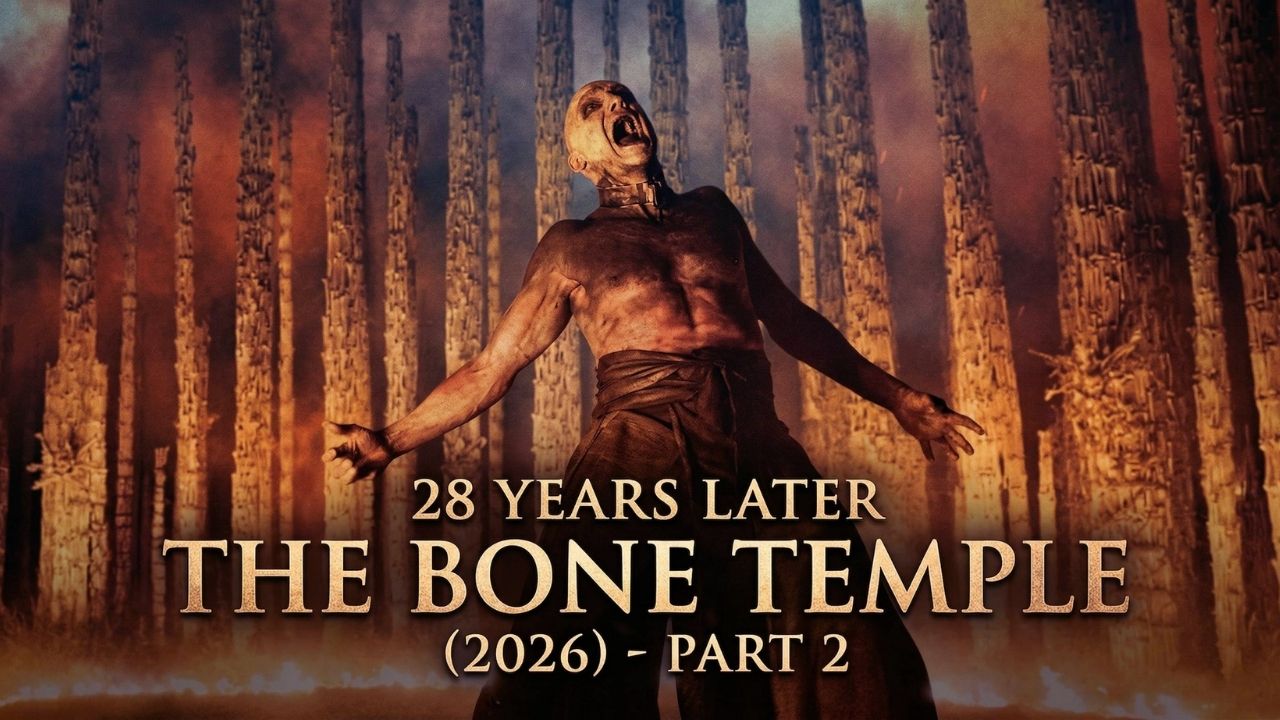
The acclaimed British horror franchise, which redefined the zombie genre in the new millennium, expands its universe with 28 Years Later Part II: The Bone Temple. This second installment of the new trilogy promises to delve into the long-term consequences of societal collapse, taking survivors to unseen environments to face horrors far beyond the infected.
The Horror Evolves in The Bone Temple
Written by the visionary Alex Garland, this sequel signals a sharp shift in setting. The title suggests a ritualistic or tribal atmosphere, hinting that survivors have transformed into disturbing new forms of social organization following the collapse.
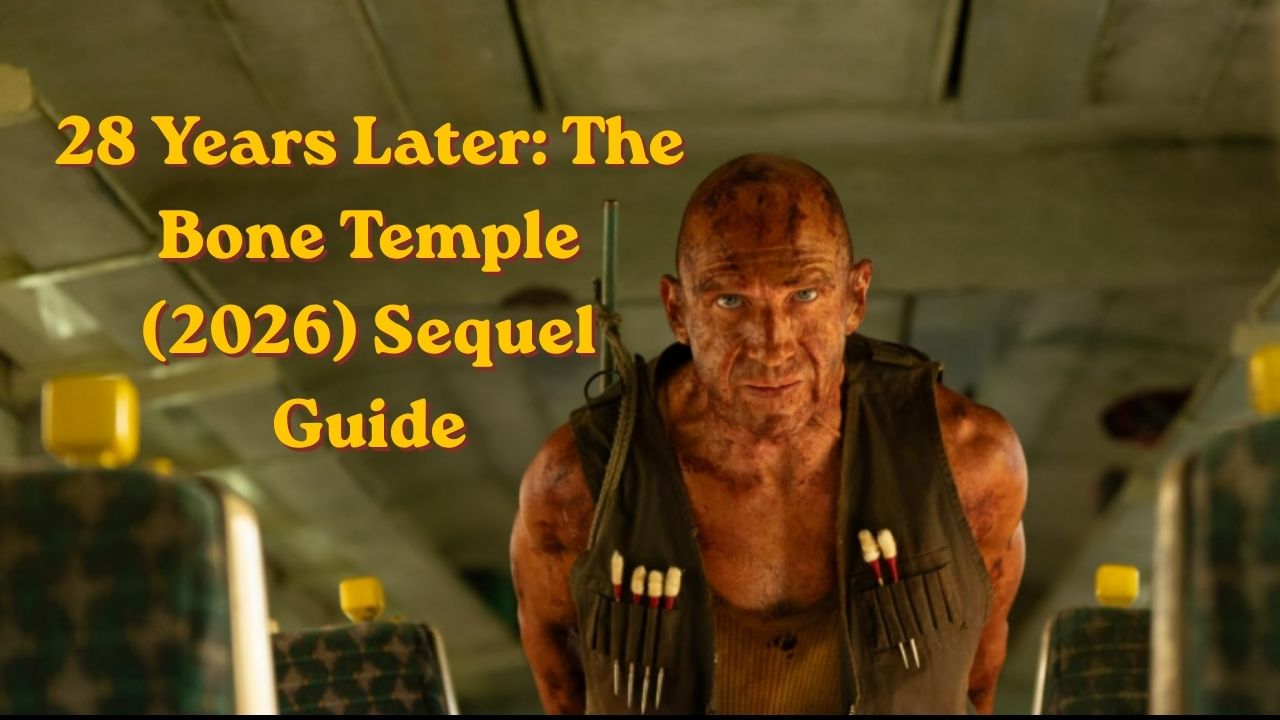
Characters portrayed by Jodie Comer and Aaron Taylor-Johnson navigate a landscape where the infected are no longer the sole danger. Human brutality and newly emerging power structures take center stage, reshaping the nature of survival in the post-apocalyptic UK.
Cillian Murphy returns as a producer and reprises his role, serving as the emotional anchor for the trilogy. His presence forges a vital bridge between the original outbreak and the current chaos.
Nia DaCosta’s Directorial Vision
A significant change for 28 Years Later Part II is the handover of the director’s chair. While Danny Boyle launched the new trilogy, Nia DaCosta (Candyman) takes command for this chapter. Her style, known for atmospheric tension and psychological horror, brings a fresh, intimate texture to the saga.
Why It Is a Must-Watch
This film is not just a “zombie” movie; it is a study of human nature under extreme pressure. With a stellar cast and a script from one of the best sci-fi writers today, it is positioned as a major cinematic event of 2026.
Editor’s Opinion: Nia DaCosta’s ability to mix social horror with potent imagery fits perfectly with Garland’s nihilistic script. The Bone Temple has the potential to surpass its predecessor by deepening the lore of the Rage virus.
Do you think this new trilogy will manage to surpass the cultural impact of the original? Share your theories in the comments!


