
The acclaimed British horror franchise, which redefined the zombie genre in the new millennium, expands its universe with this second installment of the new trilogy.
While the first part marked the return of the Rage virus, this continuation promises to delve into the long-term consequences of societal collapse, taking survivors to unseen environments to face horrors beyond the infected.
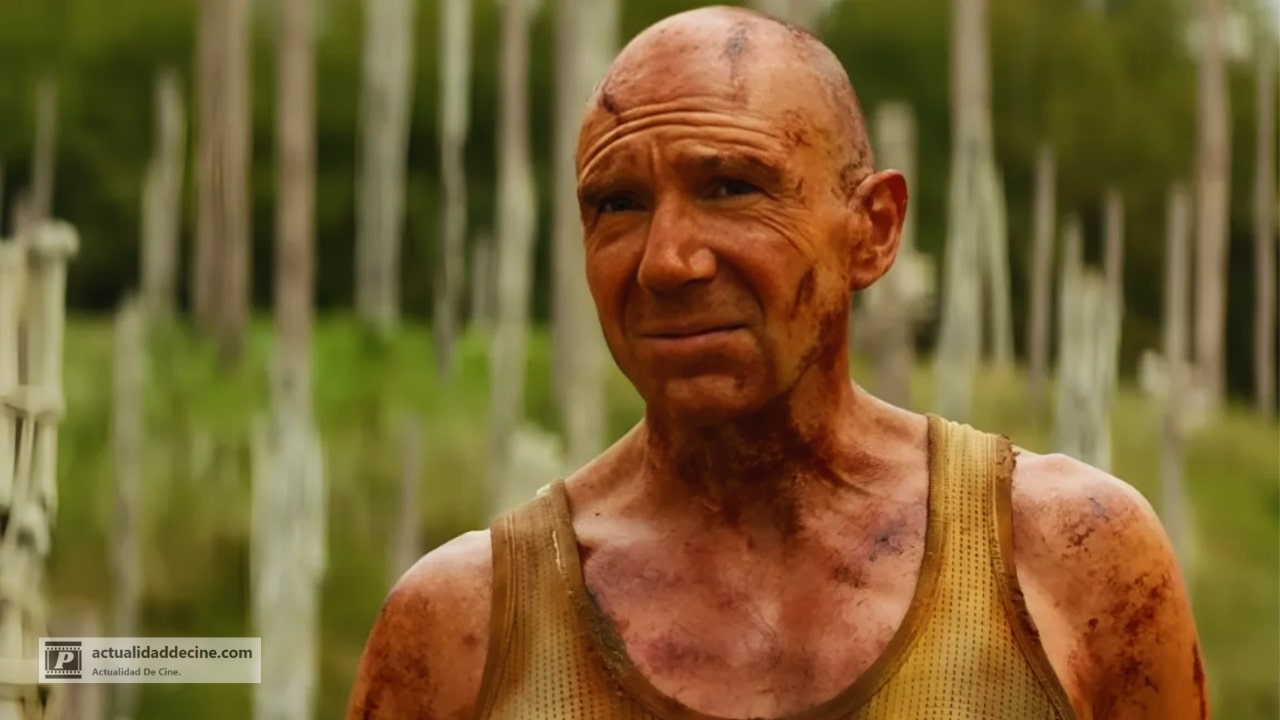
The horror evolves in 28 Years Later: The Bone Temple
At the narrative level, this sequel, written by the visionary Alex Garland, signals a sharp shift in setting compared to earlier installments. Rather than retracing familiar ground, the title itself suggests an almost ritualistic or tribal atmosphere. As a result, it hints that society has not only collapsed but has transformed into disturbing new forms of organization.
Meanwhile, the characters, led by figures such as Jodie Comer and Aaron Taylor-Johnson, are forced to navigate a landscape where the infected are no longer the sole danger. In this context, human brutality and newly emerging power structures gradually take center stage, reshaping the nature of survival.
At the same time, Cillian Murphy, returning as producer and in a key role within the trilogy, is expected to function as the emotional anchor of the story. Through his presence, the film forges a bridge between the present chaos and the memory of the original outbreak.
Ultimately, the plot moves beyond a simple struggle to escape. Instead, it focuses on confronting what fragments of civilization still endure, within a world where the bones of the past quite literally form the foundations of a new and unsettling order.
Nia DaCosta and the new directorial vision
A significant change in 28 Years Later: The Bone Temple is the handover of the director’s chair. While Danny Boyle took charge of starting the new trilogy, Nia DaCosta (known for the Candyman reboot) takes command in this second part.
Her style, characterized by atmospheric tension and impactful visual handling of psychological horror, promises to bring a different texture to the saga. DaCosta faces the challenge of maintaining the visceral rawness established by Boyle, but infusing her own voice to explore fear from a more intimate and disturbing perspective.
The close collaboration with Garland ensures that, despite the change of director, the narrative coherence and the nihilistic philosophical tone remain intact, offering a cinematic experience that is both a direct sequel and a work with its own identity.
Why is it one of the most anticipated releases?
This film is aimed at lovers of intelligent horror and followers of the original saga who have waited decades to see how this universe evolves.
It is not just a “zombie” movie (or infected, to be purists); it is a study of human nature under extreme pressure. The combination of a stellar cast, fresh direction, and the script from one of the best current science fiction writers positions this film as an unmissable cinematic event.
Editor’s Opinion: The choice of Nia DaCosta to direct this intermediate chapter is bold and fascinating; her ability to mix social horror with potent imagery fits perfectly with Garland’s script. 28 Years Later: The Bone Temple has the potential to surpass its predecessor by deepening the lore of the virus, offering a suffocating and memorable experience.
Do you think this new trilogy will manage to surpass the cultural impact of the original? Share your theories with us in the comments!