
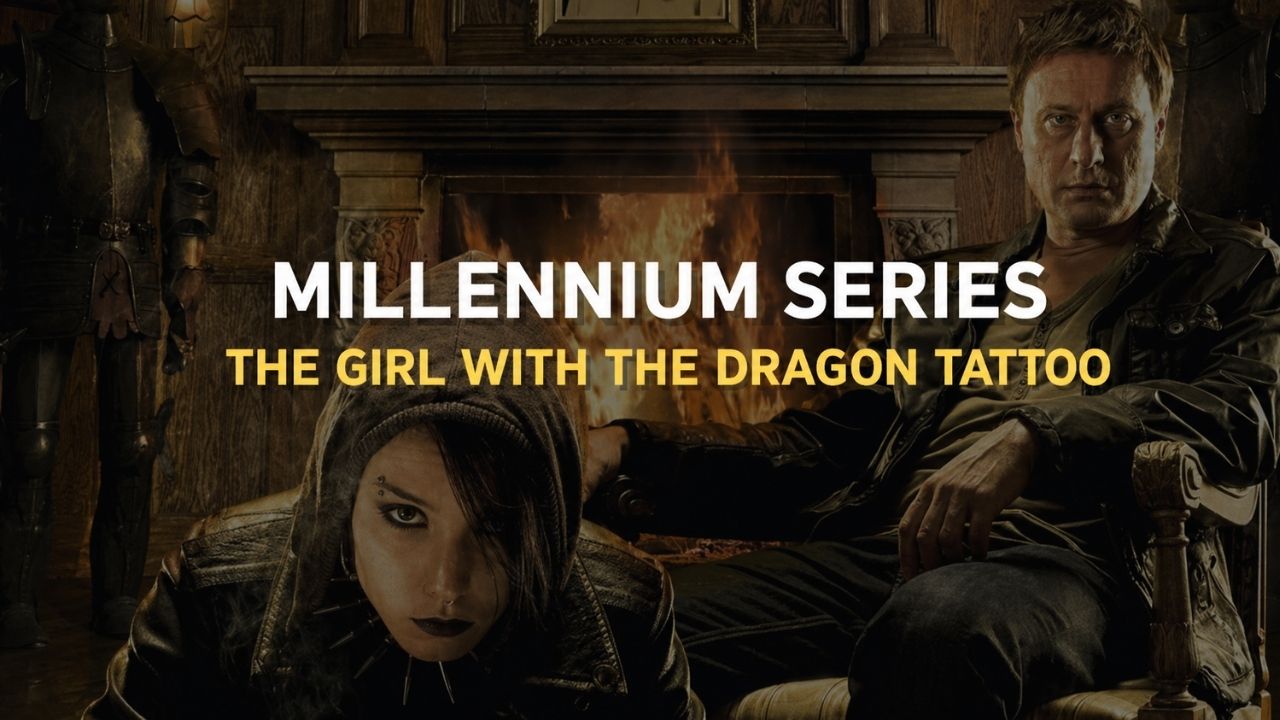
We’re reviewing the Millennium series films, exploring the story in detail. We’ll delve deep into the books and the universe in this section; we hope you enjoy reading it.
The Millennium series, based on the bestselling novels by Stieg Larsson, is widely considered one of the most powerful crime thriller franchises in modern cinema. With its dark tone, morally complex characters, and sharp critique of media and political systems, the story goes far beyond a traditional investigation narrative.
At the center of the Millennium universe are journalist Mikael Blomkvist and the highly skilled hacker Lisbeth Salander. When their paths cross, the story evolves into a layered exploration of corruption, abuse of power, corporate secrecy, and personal trauma.
What makes the franchise especially unique is the fact that it has been adapted multiple times across different countries and styles. From the original Swedish trilogy to the Hollywood version and the later reboot attempt, each adaptation presents the same story through a distinct cinematic lens.
The Swedish Millennium Trilogy: The Most Complete Version of the Story
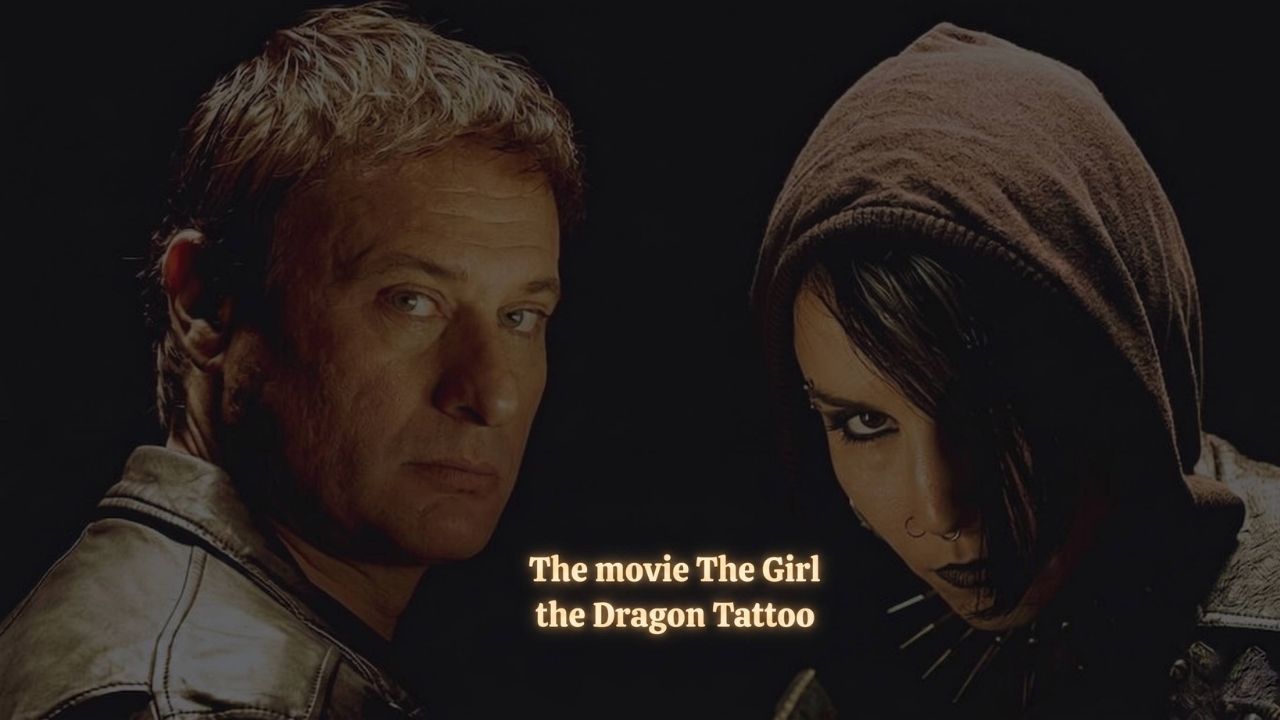
If you are looking for the correct Millennium series movies in order, the best starting point is the original Swedish trilogy released in 2009. These movies follow the narrative of the first three novels and present the story in its most complete and faithful form.
The trilogy begins with The Girl with the Dragon Tattoo (2009), directed by Niels Arden Oplev. The movie introduces Mikael Blomkvist, a journalist investigating the decades-old disappearance of a young woman connected to a powerful family.
During the investigation, he teams up with Lisbeth Salander, a brilliant but deeply complex hacker. Lisbeth’s ability to access hidden data and uncover connections makes her essential to solving the case.
The movie stands out due to its cold atmosphere, grounded storytelling, and realistic portrayal of violence and power. This approach reflects the core elements of Nordic noir, a genre known for its bleak tone and psychological depth.
One of the defining aspects of the trilogy is the performance of Noomi Rapace as Lisbeth Salander. Her portrayal combines emotional restraint, intensity, and unpredictability, turning the character into a global icon.
Following the success of the first movie, the story continues with:
- The Girl Who Played with Fire (2009) – where Lisbeth’s past begins to surface and a larger conspiracy unfolds
- The Girl Who Kicked the Hornet’s Nest (2009) – which concludes the trilogy and resolves the central storyline
Together, these three movies form the core narrative of the Millennium saga and provide the most complete cinematic experience for first-time viewers.
Why Lisbeth Salander Became One of the Most Unique Characters in Modern Cinema
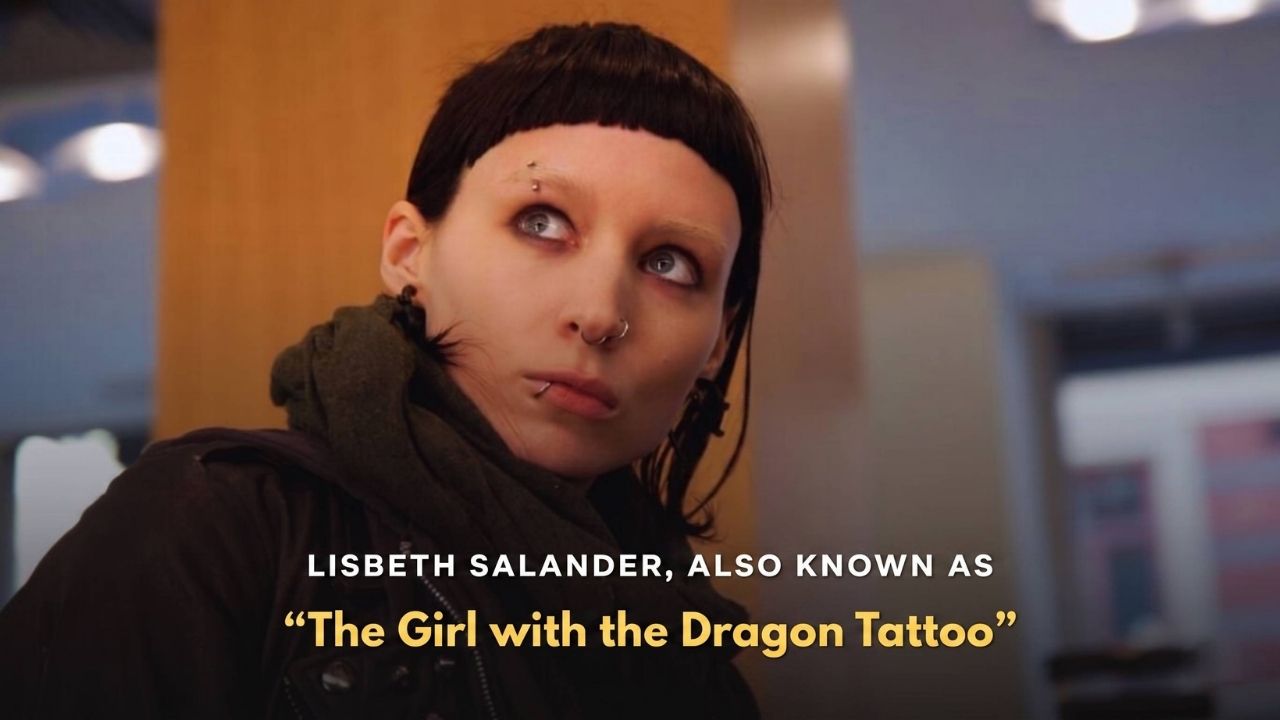
Lisbeth Salander is not a typical protagonist. She does not follow social expectations, avoids emotional dependency, and operates outside traditional systems. This unconventional structure is exactly what makes her one of the most compelling characters in modern crime storytelling.
From a technical perspective, Lisbeth is an elite hacker capable of penetrating highly secure systems, tracking hidden data, and connecting complex digital patterns. Her analytical thinking and precision place her at the center of every major investigation within the Millennium series.
However, her identity is shaped far more by her past than by her abilities. The character carries deep psychological trauma, including abuse and systemic injustice, which directly influence her worldview. This background explains her distrust of authority and her refusal to conform to institutional structures.
Rather than seeking justice through official channels, Lisbeth creates her own system of accountability. She exposes powerful figures, manipulates information when necessary, and operates independently of legal or moral expectations.
This makes her one of the clearest representations of an anti-heroine in modern cinema. She is not designed to be liked. She is designed to be real, unpredictable, and effective.
The Hollywood Version: A More Polished but Limited Adaptation
In 2011, director David Fincher introduced the Millennium story to a wider global audience with a Hollywood adaptation of The Girl with the Dragon Tattoo.
In this version, Rooney Mara portrayed Lisbeth Salander with a more internalized and controlled performance, while Daniel Craig played Mikael Blomkvist with a more traditional leading-man presence.
Fincher’s adaptation stood out for its technical precision. The cinematography, sound design, and pacing were carefully structured to create a tense and immersive experience. Compared to the Swedish version, this movie feels more stylized and controlled.
Critically, the movie was well received and praised for its direction and performances. However, despite its quality, it did not evolve into a full trilogy.
The main reasons included high production costs, studio expectations, and box office performance that did not meet long-term franchise goals.
Why The Girl in the Spider’s Web Failed to Continue the Series
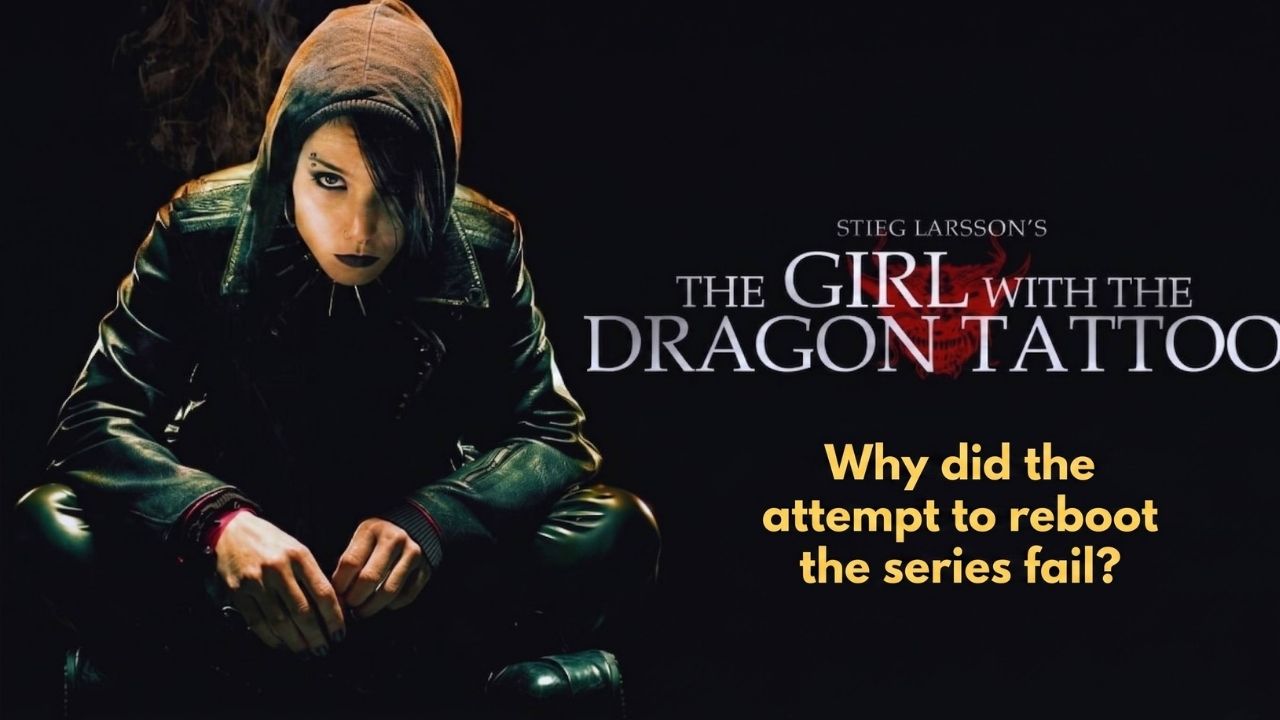
In 2018, the franchise attempted a soft reboot with The Girl in the Spider’s Web, this time starring Claire Foy as Lisbeth Salander.
This version shifted the narrative toward action and global cyber-espionage. Themes such as digital warfare, surveillance, and international crime networks became central to the story.
While this direction made the movie more accessible to mainstream audiences, it significantly reduced the psychological depth that defined earlier adaptations.
One of the most common criticisms was the lack of character development. Lisbeth’s internal conflict, which is essential to her identity, was not explored with enough depth.
Additionally, the movie underperformed at the box office. Despite strong branding and recognition, it failed to generate enough interest to justify future sequels.
As a result, the Millennium series once again lost momentum in cinema, leaving its future uncertain.
Millennium Series Movies in Order: The Best Way to Watch
If you want to watch the Millennium series in order, the most recommended approach is to follow the original Swedish trilogy first. These movies present the core story in a consistent and chronological way.
For viewers searching for the correct Millennium series movies in order, this sequence provides the most complete understanding of the characters and events.
- The Girl with the Dragon Tattoo (2009) – introduction of the main characters and the central investigation
- The Girl Who Played with Fire (2009) – expansion of the story and deeper exploration of Lisbeth’s past
- The Girl Who Kicked the Hornet’s Nest (2009) – conclusion of the trilogy and resolution of the main conflict
These three movies form the backbone of the Millennium universe and should always be watched first.
Alternative Viewing Options
After completing the Swedish trilogy, viewers can explore other adaptations that reinterpret the same story.
- The Girl with the Dragon Tattoo (2011) – Hollywood version directed by David Fincher
- The Girl in the Spider’s Web (2018) – reboot attempt with a new narrative direction
These movies are not direct continuations. Instead, they offer alternative perspectives and different stylistic approaches to the same universe.
How Many Books Are in the Millennium Series?
The Millennium series consists of six novels. The first three books were written by Stieg Larsson and form the foundation of the story.
After his death, the series was continued by David Lagercrantz, who expanded the universe with new narratives and themes.
- The Girl with the Dragon Tattoo – Stieg Larsson
- The Girl Who Played with Fire – Stieg Larsson
- The Girl Who Kicked the Hornet’s Nest – Stieg Larsson
- The Girl in the Spider’s Web – David Lagercrantz
- The Girl Who Takes an Eye for an Eye – David Lagercrantz
- The Girl Who Lived Twice – David Lagercrantz
Final Thoughts on the Millennium Series
The Millennium series remains one of the most distinctive crime franchises due to its combination of investigative storytelling, psychological depth, and social commentary.
While different adaptations have approached the story in various ways, the core identity of the saga is still defined by its original tone and characters.
For anyone discovering the Millennium universe for the first time, starting with the Swedish trilogy is the most effective way to fully understand the story and its impact.
After that, exploring alternative versions can provide a broader perspective on how the same narrative can evolve across different cinematic styles.
Our Overall Review Scores for the Millennium Series
| Evaluation Category | Score | Rating |
|---|---|---|
| Screenplay and Adaptation Quality | 8.5 / 10 | ⭐⭐⭐⭐ |
| Acting and Character Depth | 9.0 / 10 | ⭐⭐⭐⭐⭐ |
| Atmosphere and Cinematography | 9.0 / 10 | ⭐⭐⭐⭐⭐ |
| Continuity and Saga Consistency | 7.5 / 10 | ⭐⭐⭐ |
| Overall Score | 8.5 / 10 | ⭐⭐⭐⭐ |
If you enjoy different storytelling styles, you can also explore single location movie recommendations, a unique format where the entire story unfolds in one setting.
Which version of Lisbeth Salander do you think captures the character best?